Rich in Nutrients
Red fruits like strawberries, raspberries, and cherries contain a range of vitamins, minerals, and naturally occurring compounds commonly discussed in nutrition.
Discover simple ways to make vibrant red fruits a natural part of your daily routine. Fresh ideas and practical inspiration.
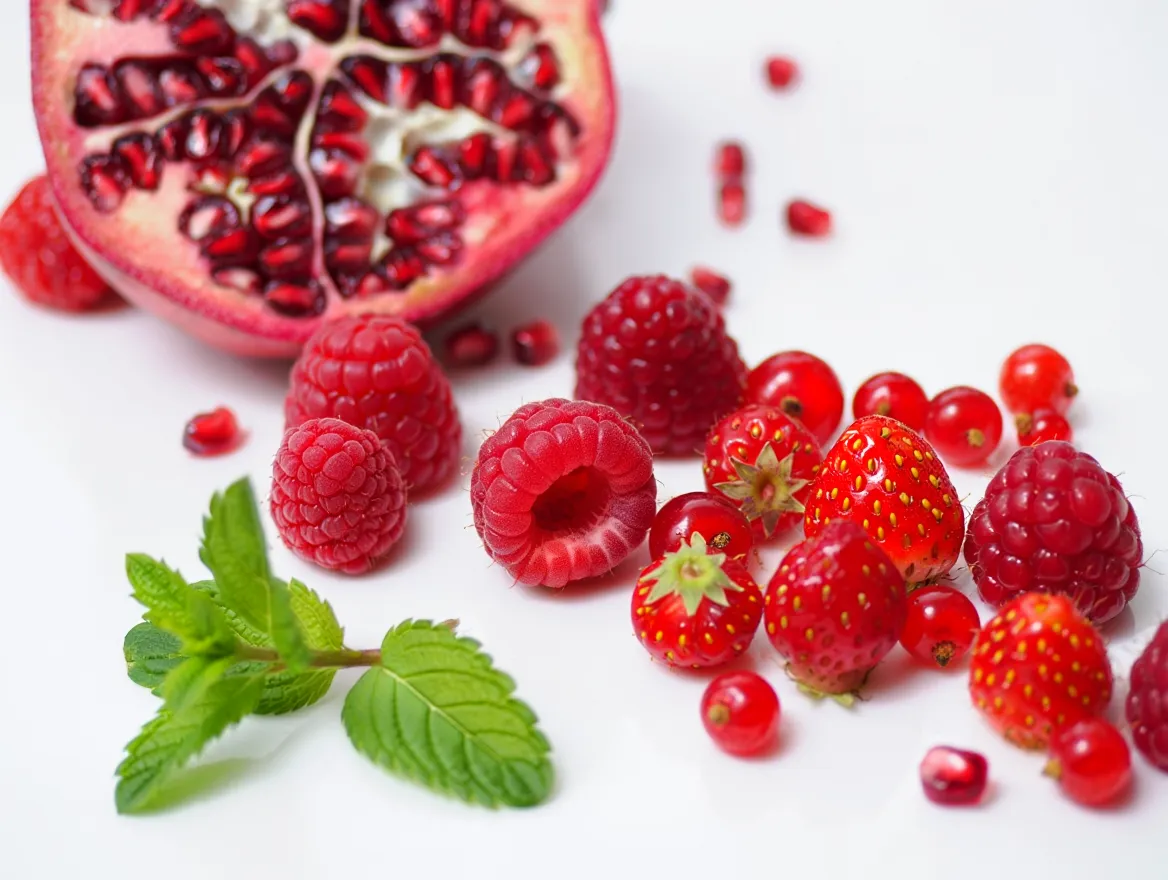
Red fruits are enjoyed worldwide as part of a varied and balanced diet. Here is what makes them interesting.
Red fruits like strawberries, raspberries, and cherries contain a range of vitamins, minerals, and naturally occurring compounds commonly discussed in nutrition.
Including red fruits in meals and snacks can be a refreshing, flavorful way to add variety throughout the day.
Red fruits are commonly recognized as a valuable component of a well-rounded and nutritious eating pattern.
From morning smoothies to afternoon snacks, red fruits are versatile and easy to incorporate into any routine.
Many red fruits have a high water content, which can complement your regular water intake as part of a balanced diet.
Different red fruits are available throughout seasons, offering a changing palette of flavors to enjoy year-round.
Each red fruit brings its own unique set of flavors and characteristics. Here are some favorites.
A widely loved berry known for its sweetness and versatility in both sweet and savory dishes.
Delicate and flavorful, raspberries are enjoyed fresh, frozen, or as part of various recipes.
Sweet or tart, cherries are a seasonal favorite that can brighten up any meal or snack.
Known for their jewel-like seeds and distinctive flavor, pomegranates add a special touch to dishes.
A few general figures often mentioned in food and nutrition references.
No complicated plans needed. Here are straightforward ideas to bring more red fruits into your daily routine.
Blend a handful of mixed red berries with yogurt and a splash of juice for a refreshing start to your day.
Keep a container of washed berries in the fridge for a quick, satisfying snack between meals.
Add fresh strawberries or pomegranate seeds to green salads for an unexpected flavor contrast.
Top a simple bowl of natural yogurt with raspberries and a drizzle of honey for a light dessert option.
Strawberries, raspberries, cherries, cranberries, and red grapes are among the most widely available red fruits in most regions throughout the year.
Store red fruits in the refrigerator in a single layer if possible. Avoid washing them until you are ready to eat. Most berries stay fresh for 3-5 days when properly stored.
Frozen red fruits can be a convenient and economical option. They are typically frozen shortly after harvesting, which helps preserve their nutritional profile.
Red fruits are generally considered compatible with many dietary patterns. However, individual needs vary, so it is always best to consider your personal nutritional requirements.
Explore our guides for practical ideas on how to make red fruits a natural part of your routine.
All materials and practices presented are educational and informational in nature and are aimed at supporting general well-being. They do not constitute medical diagnosis, treatment, or recommendation. Before applying any practice, especially if you have chronic conditions, consult a healthcare professional.